Painting help
Paint peeling on a wall? What to check before repainting
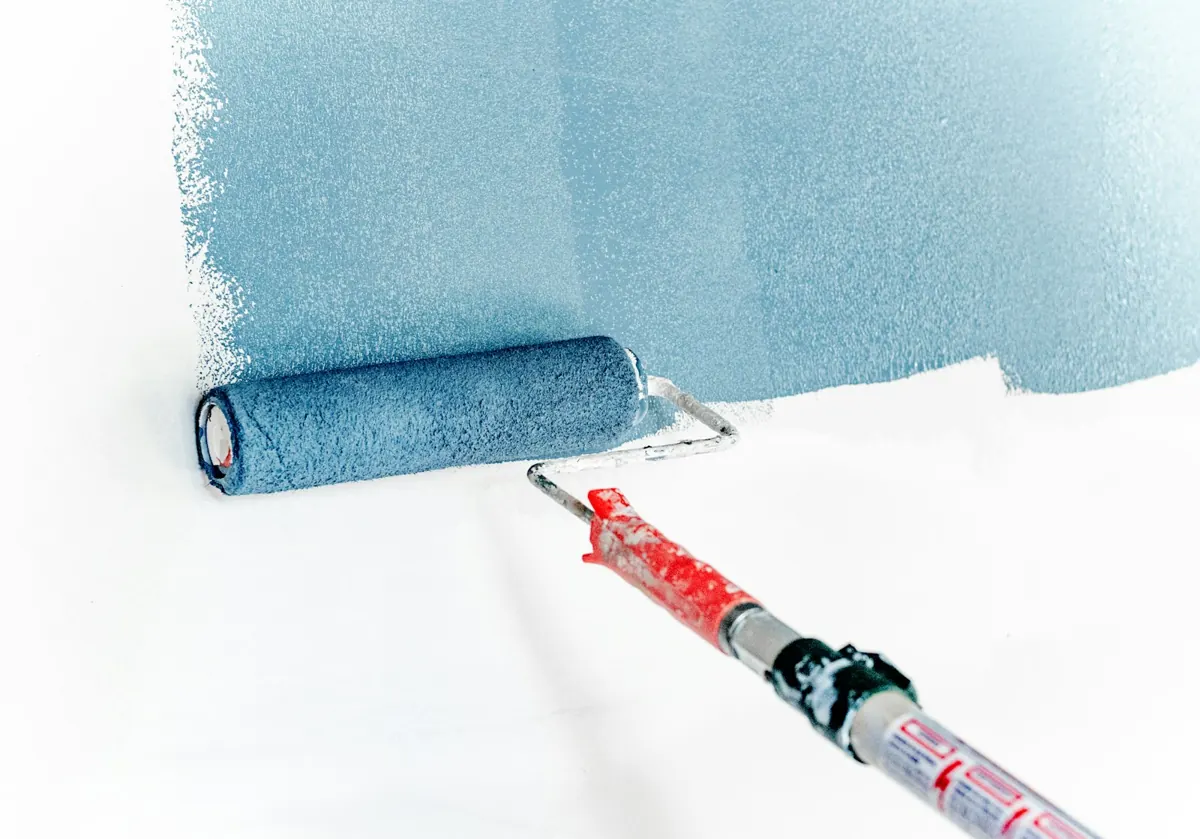
Peeling paint lifts, curls, or flakes away from a wall. It may involve only the latest coat or several older layers underneath. Painting straight over it often leaves the same weak surface in place. Before planning a finish, look for clues about moisture, the condition of the wall, and the age of earlier coatings. Your goal is to describe the problem without disturbing the surface.
Find local pros who can helpKeep paint chips and dust contained
Do not dry scrape, sand, wire brush, or use a heat gun on unknown old paint. Older coatings may contain lead, and disturbing them can spread hazardous dust. Keep children and pets away from loose chips and the affected area. If you do not know the building or coating history, ask about assessment and lead safe work practices before preparation begins.
Avoid touching a soft, bulging, or visibly wet wall. If there is an active plumbing leak and you can safely reach a familiar shutoff valve, turn off that water supply and arrange repair. Do not enter standing water or approach wet electrical equipment. For flooding near electricity, sparks, or smoke, leave and call 911. For a gas smell, leave without using switches and call the gas utility or 911 outside.
A damaged ceiling, extensive moisture damage, or suspicious old texture needs appropriate assessment, not a quick paint job. Do not climb to scrape an overhead patch or open the wall to see behind it. A painter may need the leak or substrate problem resolved by another qualified professional before preparing a coating.
Look for the pattern without disturbing it
Observe where peeling occurs. Is it below a window, near a bathroom, around a pipe, or across a recently painted room? Notice staining, musty odor, condensation, or changes after rain or shower use. These clues can suggest moisture is involved, but a dry looking surface does not rule out a hidden leak.
Look from a safe distance at whether the loose layer is only the finish paint or includes material underneath. Do not pull the edge to find out. Note whether the wall is plaster, drywall, or another surface if you already know. Take a wide photo and a closer photo with ordinary lighting so the painter can see the location and pattern.
Check your records for the previous paint product, preparation method, and timing. Peeling after a recent repaint can relate to surface contamination, incompatible coatings, or poor adhesion, but appearance alone cannot establish the cause. Do not apply a test patch of primer, cleaner, or sealant before discussing the condition with the person assessing it.
Resolve the cause before choosing a finish
Contact a painter when peeling is spreading, returning after repair, or exposing an unstable surface. Tell the business about moisture clues and uncertain coating history. Ask how it determines whether the surface is ready for preparation, whether lead assessment is needed, and what containment and cleanup would be appropriate for occupied rooms.
If the source is a leak, persistent dampness, or damaged wall material, that issue needs to be addressed first. Painting over moisture or visible mold is not a repair. The painter should explain which work it handles and which work needs another specialist. Do not interpret a stain blocking product as proof that a leak has stopped.
Ask how the proposed work will handle loose material, edges, texture matching, and the surrounding finish once the surface is safe and ready. A small patch can remain noticeable because of sheen, texture, age, and lighting. Discuss whether the agreed scope is a local repair or a larger area, without assuming an exact match is possible.
For renters, report rather than repaint
Check your lease and tell your landlord or property manager before removing paint or hiring a painter. Many wall, moisture, and coating repairs are their responsibility. Send photos and explain when you first noticed the peeling, whether it is changing, and whether there is a leak or children could reach loose material. Ask for instructions about using the room safely.
Keep written records of the report and authorization. Do not cover the problem with wallpaper, adhesive panels, or a fresh coat while waiting. Those changes can hide evidence or create extra preparation work. Confirm the approved color, access, and any building requirements before a contractor starts.
What to tell the painter when you call
Describe the affected room, approximate area, wall material if known, and whether the problem is flaking, cracking, or peeling in sheets. Explain any rain, plumbing, or condensation pattern and share previous repair details. Provide the building’s approximate age and the paint product if available, without guessing when you do not know.
Send safe photos, mention furniture and occupancy needs, and explain whether a leak specialist or property manager is already involved. Ask what assessment is needed before a quote and how surface preparation, protection, cleanup, and any follow up work will be described. Clear scope matters more than selecting a finish before the wall is ready.